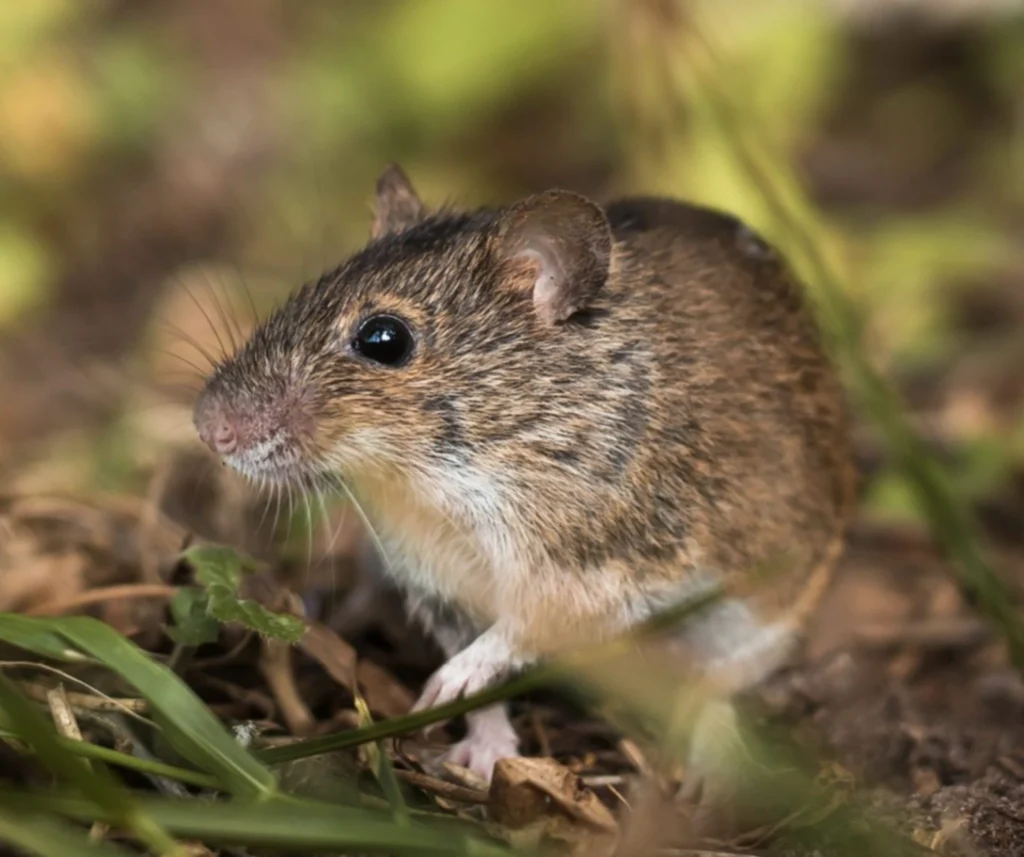
How does rat control work in Everett, WA?
Rat control in Everett starts with identifying the species, because Norway rats burrow under foundations and into crawlspaces while roof rats climb into attics. We then seal the entry points, trap the rats inside with methods matched to the species, clean up, and check back to confirm the seals are holding.
Norway rats or roof rats: which one is in your Everett property?
Both species are found around Puget Sound, and they behave differently, so the plan changes with the species. The signs usually tell us which one we are dealing with.
Getting this wrong is a common reason DIY traps fail: a trap line set for a ground-level burrower does nothing for a rat running along attic beams.
Norway rat. Heavy-bodied burrower. Digs along foundations and into crawlspaces, and nests low: basements, garages, sheds, under decks. Droppings are capsule-shaped, roughly three-quarters of an inch. Norway rat guide.
Roof rat. Slimmer, long-tailed and an excellent climber. Enters through rooflines, gable vents and tree branches, and nests high: attics, soffits, dense ivy. Droppings are smaller and spindle-shaped. Roof rat guide.
What happens during a rat control job in Everett?
Rats are cautious and often ignore a new trap for days, so the job is built around sealing and patience rather than a one-visit fix.
1
Inspect and identify
We find the species, the entry points, the burrows and the nesting areas, inside and out.
2
Seal
Gaps, vents and foundation cracks are closed with metal and mortar so no new rats can enter.
3
Trap and remove
Traps go along the walls and edges rats travel, matched to the species and safe around pets.
4
Clean up
Droppings are removed safely and contaminated insulation is assessed.
5
Follow up
We recheck traps and the seals, and confirm activity has stopped.
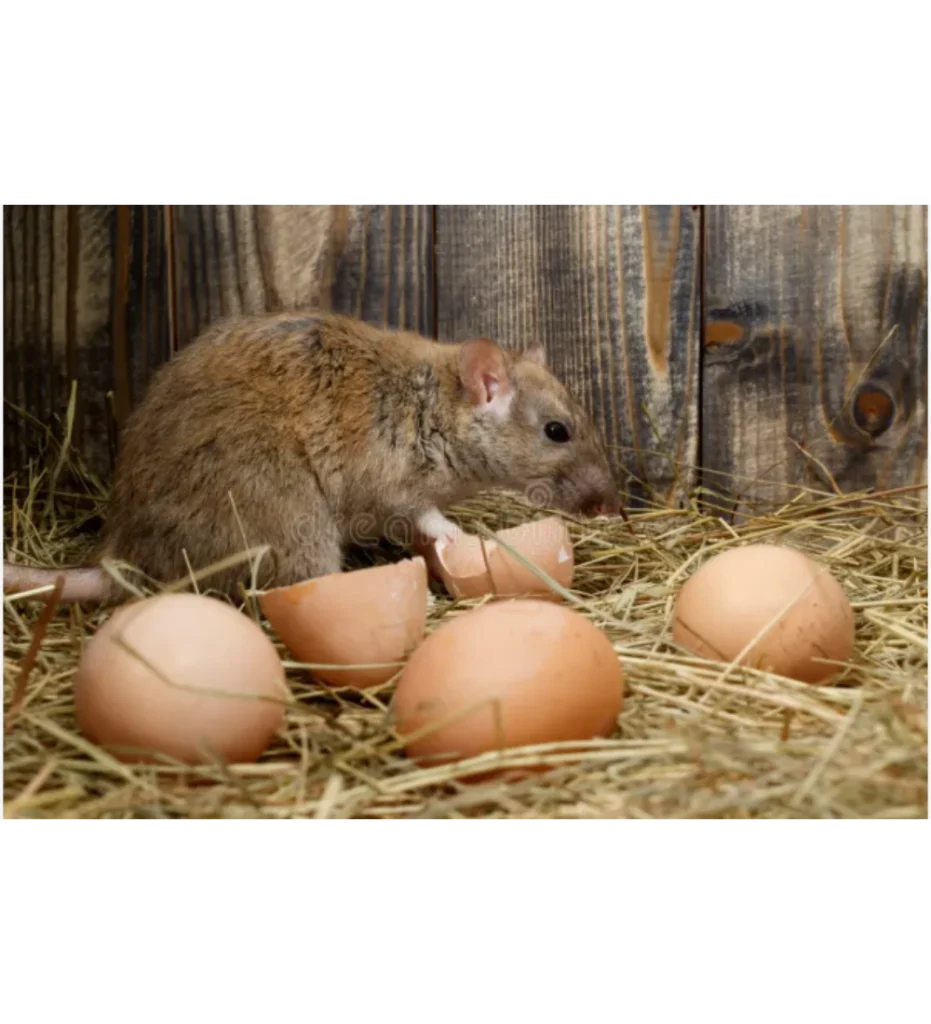
Why are rats harder to get rid of than mice?
Rats are neophobic: they avoid new objects in their territory, sometimes for a week or more. A trap placed on day one may be ignored on day two.
We place traps where rats actually travel, use enclosed boxes around pets and children, and keep sealing the building so the rats inside lose their outside food sources and become more likely to enter a trap.
Rats also nest in more than one place, which is why an inspection of the whole structure matters more than a single trap line.
How do I know it is rats and not mice?
Larger droppings. Capsule-shaped and clearly bigger than a grain of rice.
Burrows. Holes along the foundation, under slabs, decks or sheds.
Bigger gnaw marks. On wood, pipes, and even plastic and soft metal.
Heavy noises. Thumping or running overhead rather than light scratching.
Rub marks. Dark greasy smears along walls and entry gaps.
Stolen food outdoors. Fruit, pet food, bird seed or chicken feed disappearing.
What can you do to keep rats away from your Everett property?
You can do now
- Store pet food, bird seed and chicken feed in metal containers.
- Keep trash can lids tight and compost closed.
- Trim branches that touch the roof and cut back ivy on walls.
- Clear woodpiles and clutter away from the foundation.
Leave to a professional
- Finding every entry point, including rooflines and vents.
- Sealing the foundation and crawlspace with the right materials.
- Trapping in a way that is safe around pets and wildlife.
- Cleaning contaminated insulation and nesting areas.
Rat control questions in Everett
How long does it take to get rid of rats?
Rats usually take longer than mice. A small, new problem can clear in a couple of weeks once the entry points are sealed; established colonies, or rats nesting in more than one place, can take several weeks. We give you a realistic timeline after the inspection.
Are rats in Everett dangerous?
They can be. Rats can carry leptospirosis, salmonella and rat-bite fever, they chew wiring and insulation, and their droppings contaminate food and surfaces. In Washington, hantavirus is carried by deer mice.
Will poison get rid of the rats in my attic?
Poison alone is a poor choice for attics and walls. Rats can die inside the structure and cause odor, and poisoned rodents can harm pets and wildlife that eat them. Sealing and trapping give you control without those risks.
Do roof rats live in Everett?
Roof rats are found around Puget Sound, and signs such as attic noise, droppings near rooflines and damaged vent screens point to them. An inspection confirms the species.
Related services and guides
Permanent sealing of every entry point.
Burrows, barriers and foundation gaps.
Droppings, insulation and sanitation.
Find how they get in before anything is set.
Hearing or seeing rats in Everett?
Call for a free inspection. We identify the species, find the entry points and give you an itemized plan before any work begins.
Rodent Defenders
2615 W Casino Rd
Everett, WA 98204
(425) 555-0182