Commercial Rodent Control in Everett, WA
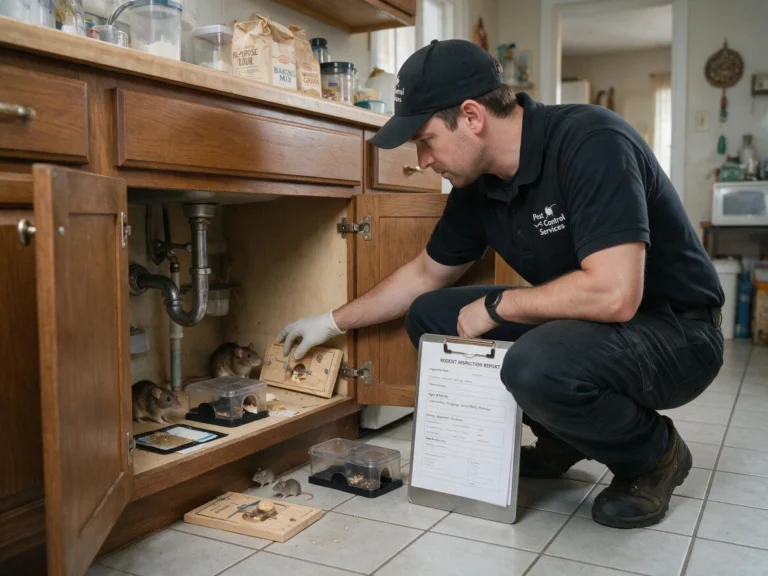
For a business, rats and mice are a problem that can fail an inspection, ruin stock, and chew through wiring. Rodent Defenders inspects your building, finds every way rodents are getting in, seals those gaps, removes the rodents already inside, and returns to confirm the fix is holding. You get an itemized quote before any work begins.
Seeing droppings or hearing activity at your business? Contact us

Why Rodents Are a Business Problem
A rodent in a home is a nuisance. In a commercial building, the consequences reach further.
Food safety.
Droppings and gnaw marks near food, packaging, or prep areas put your health inspection and your reputation at risk.
Damaged stock and packaging.
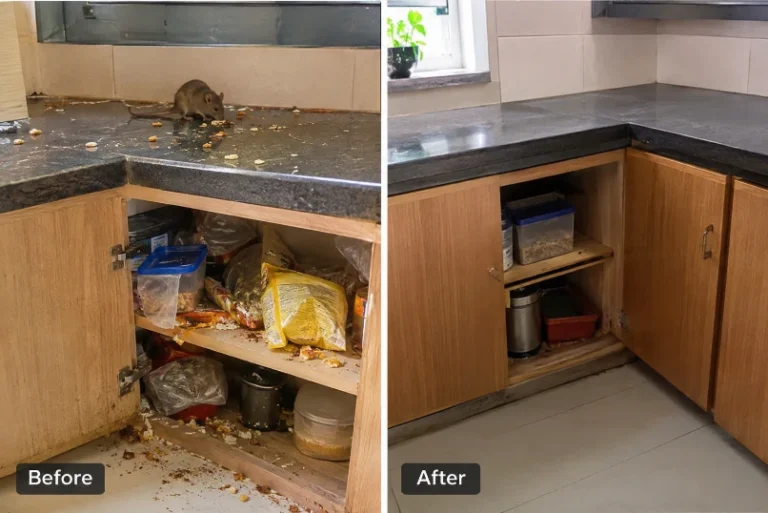
Mice and rats chew through cartons, bags, and insulation, and contaminate what they don’t eat.
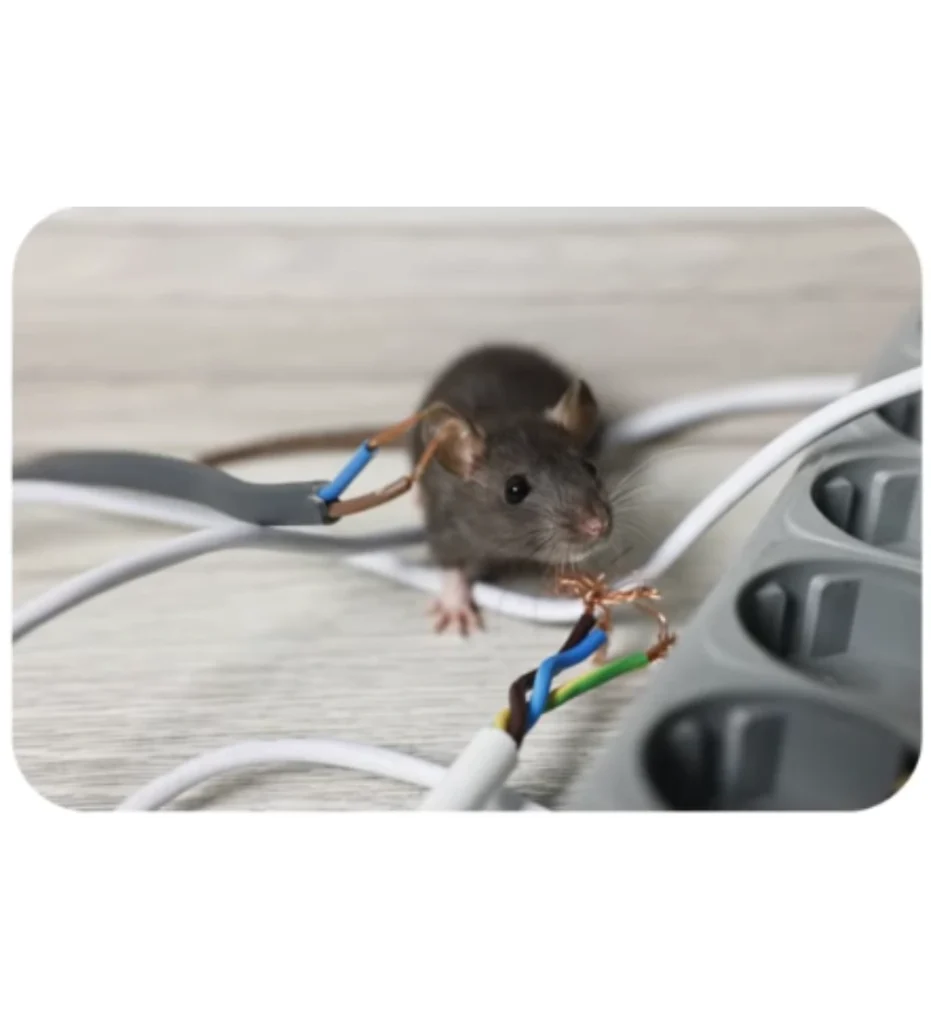
Electrical and fire risk.
Rodents gnaw wiring in walls, ceilings, and equipment, and chewed wiring is a documented fire risk.
Health exposure.
Cleaning up droppings in a closed-up storage room or attic can raise hantavirus risk, since deer mice are the carriers in Washington. See the Washington State Department of Health’s hantavirus guidance.
Lost customers.
One sighting, one smell, or one bad review can cost more than the repair.
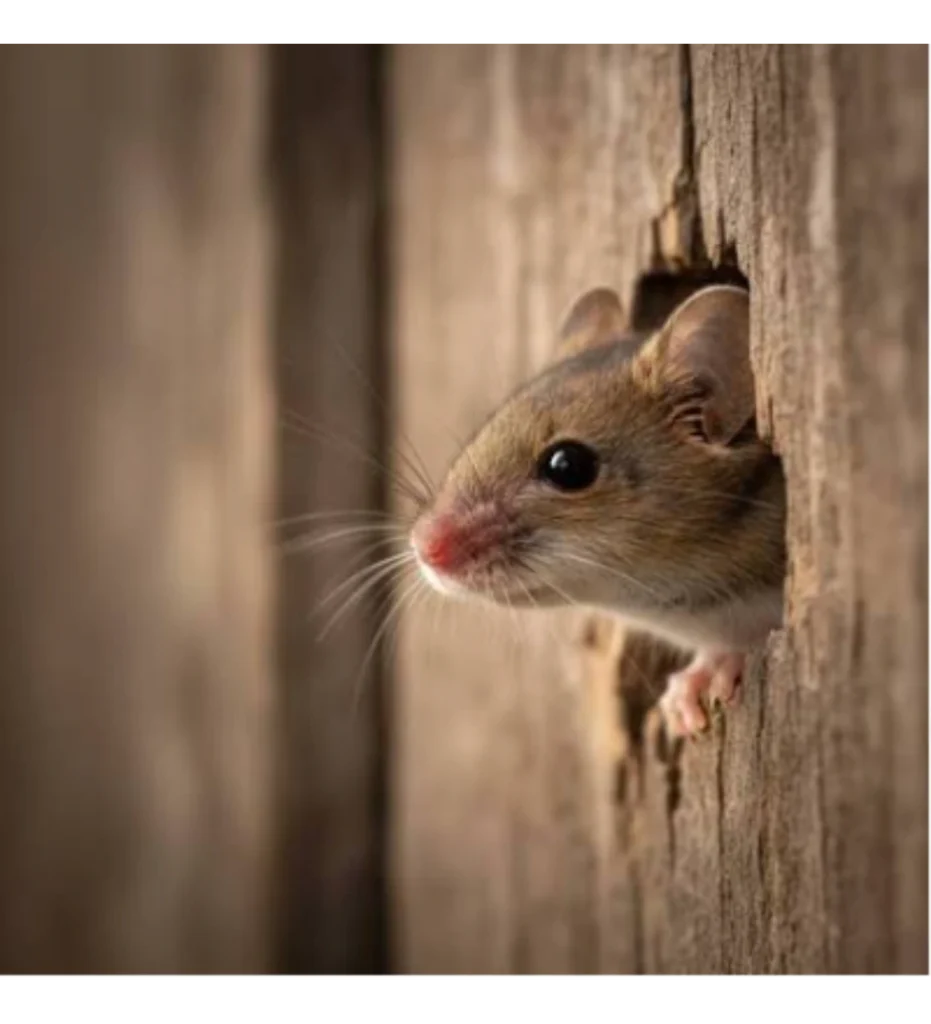
Commercial Properties We Work With
| Property type | What we typically check |
|---|---|
| Restaurants and cafés | Kitchens, storage, dumpster areas, floor drains, gaps around pipes and utility lines |
| Warehouses and storage | Dock doors, roll-up doors, pallet racking, stored goods, building perimeter |
| Retail shops | Back rooms, stockrooms, shared walls, delivery entrances |
| Offices | Drop ceilings, break rooms, wall voids, utility closets |
| Multi-tenant buildings | Shared walls, service corridors, roof and ceiling spaces |
| Waterfront and marine businesses | Docks, outbuildings, storage, and openings near the water |
If you don’t see your type of business listed, contact us. The inspection works the same way.
How a Commercial Rodent Job Works
Every job follows the same four steps, and sealing comes before trapping, so new rodents can’t replace the ones we remove.
- Inspect. We identify whether you have rats or mice, since each needs a different plan. We locate active entry points, food and water sources, and nesting areas inside and outside the building. You get an itemized quote before work begins.
- Exclude. We seal gaps, vents, and cracks with materials rodents can’t chew through. In commercial buildings that often means door sweeps and gaps under roll-up and dock doors, openings around pipes and utility lines, and damaged vent screens. We plan the sealing around any rodents still inside so none are trapped in a wall.
- Trap and remove. With outside access closed, the rodents inside are easier to catch. We match the trap type to the species and place traps along the edges and walls where rodents travel. Where bait is appropriate, it is placed away from staff, customers, and food.
- Monitor. We return to check traps and confirm the seals are holding. If a new opening appears, early warning helps us catch it before it becomes a new infestation.
Where Rodents Get Into Commercial Buildings
- Gaps under roll-up, dock, and back doors
- Openings around pipes, conduits, and utility lines
- Damaged or missing vent screens
- Cracks where the foundation meets the wall
- Rooflines and rooftop equipment
- Dumpster and loading areas next to the building
- Floor drains and gaps in shared walls
A mouse can squeeze through a gap about the width of a dime, and a rat needs roughly a quarter-sized opening. Many entry points are small enough to miss in a quick walkthrough, which is why we inspect the whole building rather than the spot where you saw the droppings.
Commercial Rodent Control Across Everett
Everett’s wet marine climate pushes rodents toward dry, warm buildings every fall and winter. What they find depends on where your business is.
Port of Everett and the Waterfront
Restaurants, warehouses, and marine businesses near the water face steady rat pressure. Storage areas, dumpsters, and food waste all draw rodents, so we look closely at the exterior as well as the inside.
Evergreen Way Corridor
This corridor has a mix of homes and businesses, with mice often getting into attics and garages. Small retail and food businesses with shared walls can see activity move between neighboring spaces.
Bayside and Downtown Everett
Older buildings, grid streets, and utility lines give rodents routes between properties. Aging foundations and worn vent screens are common entry points, and shared walls may mean the source is next door.
Delta and Riverside
The river delta’s wet ground and nearby waterways support rodent activity. Commercial and storage properties here often need a close look at the perimeter and loading areas.
View Ridge, Madison, and Greater Snohomish County
We also serve businesses in neighborhood commercial areas across Everett and throughout Snohomish County, from older town centers to newer commercial developments.
Working Around Your Business
We know you can’t close your doors for pest control. We plan visits around your hours, keep work away from food prep areas and customers, and explain what we found in plain language. Tell us your busiest times when you call, and we’ll schedule around them.
What Commercial Rodent Control Costs in Everett
Commercial work is priced after inspection, because no two buildings are alike. The main factors are:
- How many rodents are present. A few mice in a stockroom cost far less to resolve than a rat population around a loading area.
- Number and location of entry points. Seven gaps cost less to seal than twenty-five.
- Building size and access. Large roofs, tight ceiling spaces, and big perimeters take more labor.
- Cleanup. Heavy droppings or contaminated insulation add a sanitation step.
- Follow-up and monitoring. Visit frequency depends on the building and the level of pressure.
The quote is itemized before any work starts. Be cautious of any flat price quoted over the phone without an inspection, or a “treatment” that leaves entry points open.
For Landlords and Property Managers
If rodents are in a shared building, the first question is whose responsibility it is, and that depends on the lease. Tenants should report activity to the property manager promptly. Managers who need a plan covering several spaces can contact us to arrange a building inspection. Fixing one unit while the shared entry points stay open usually means the problem returns.
Frequently Asked Questions
Do rats and mice in a restaurant cause a failed health inspection?
Health inspectors look for evidence of rodents, such as droppings, gnaw marks, and entry points. We can’t promise any inspection outcome, but finding and sealing the source is what lowers the risk.
Is bait safe around food and customers?
Bait near food areas needs careful placement. Where bait is appropriate, we place it away from staff, customers, and food, and we tell you where it is.
Do you offer one-time visits or ongoing service?
The plan depends on your building. Some businesses need one fix with follow-up visits, others benefit from ongoing monitoring. We discuss it during the quote.
How much does commercial rodent control cost?
It depends on the number of rodents, entry points, building size, and cleanup. You get an itemized quote before work begins.
Can you work around my business hours?
Tell us when you’re busiest and we’ll plan visits around it.
What if there’s a dead rodent inside a wall or ceiling?
We handle that too. See our dead rodent removal service.
Why do rodents come back after treatment?
Usually because the entry points were never sealed. Trapping removes the rodents inside, but an open gap lets new ones in.
Protect Your Everett Business From Rodents
Don’t wait for a health inspection, a customer complaint, or chewed wiring. Contact us, tell us what you’re seeing, and we’ll arrange an inspection and give you an itemized quote before any work begins.
Rodent Defenders
2615 W Casino Rd, Everett, WA 98204