Hantavirus in Washington State
Hantavirus is a virus carried by deer mice in Washington. People are exposed by breathing dust from contaminated droppings, urine, or nests. The Washington State Department of Health says typically one to five cases are reported each year, and about one in three people diagnosed with the lung illness it causes have died. The risk is low, but it’s serious enough to take precautions.
Not sure what you’re dealing with? Contact us
What Is Hantavirus?
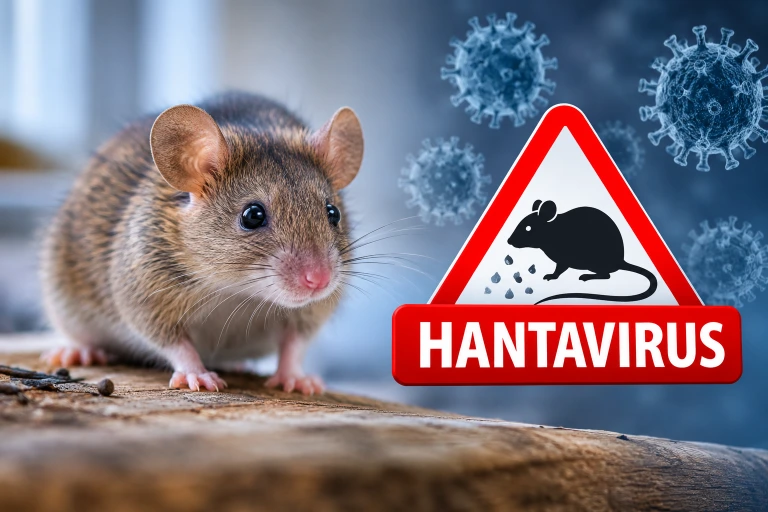
Hantaviruses are a group of viruses carried by rodents. One of them, Sin Nombre virus, is found in deer mice in North America and causes Hantavirus Pulmonary Syndrome (HPS) in people.
How Do People Get It?
People may be exposed by:
- Breathing dust after disturbing or cleaning rodent droppings or nests
- Living or working in rodent-infested settings
- Contact with deer mouse droppings, urine, saliva, or nesting materials
There is no evidence that it spreads from one person to another. Deer mice pass it to each other and don’t get sick.
Where Is the Risk in Washington?
Infected deer mice live throughout the state, so people are at risk in any part of Washington. Closed-up sheds, cabins, garages, attics, and crawl spaces are common places for exposure.
Symptoms
Symptoms begin one to eight weeks after inhaling the virus. They usually start with three to five days of fever, sore muscles, headaches, nausea, vomiting, and fatigue. As it worsens, fluid in the lungs causes shortness of breath, and hospital care is usually required.
If you’ve been around deer mice or a mouse-infested building and develop fever, muscle aches, and severe shortness of breath, see a healthcare provider right away and mention the rodent exposure.
How to Clean Up Safely
Follow the Department of Health’s Safely Cleaning After Rodents guide. The main points are:
- Air out the space first.
- Wear gloves (rubber, latex, vinyl, or nitrile). A dust mask isn’t protection against the virus.
- Don’t sweep or vacuum. That stirs up dust.
- Wet everything with a bleach solution of 1 part bleach to 9 parts water, and let it soak for 10 minutes.
- Wipe up droppings and nests with a damp towel, then mop with the solution.
- Disinfect dead rodents, then double-bag them with the cleaning materials.
- Wash your hands after removing gloves.
You can’t tell how old a dropping is, so treat all droppings as potentially infectious.
When to Call a Professional
Contact us when:
- Contamination is heavy or widespread
- It’s in an attic or crawl space with insulation
- Rodents are still active
- You aren’t comfortable cleaning it yourself
How to Prevent Exposure
- Keep rodents out. Seal gaps larger than about a quarter inch, including window and door sills, pipe openings, foundations, and attics.
- Use snap traps for rodents indoors.
- Keep food and pet food in rodent-proof containers.
- Be careful when cleaning and trapping.
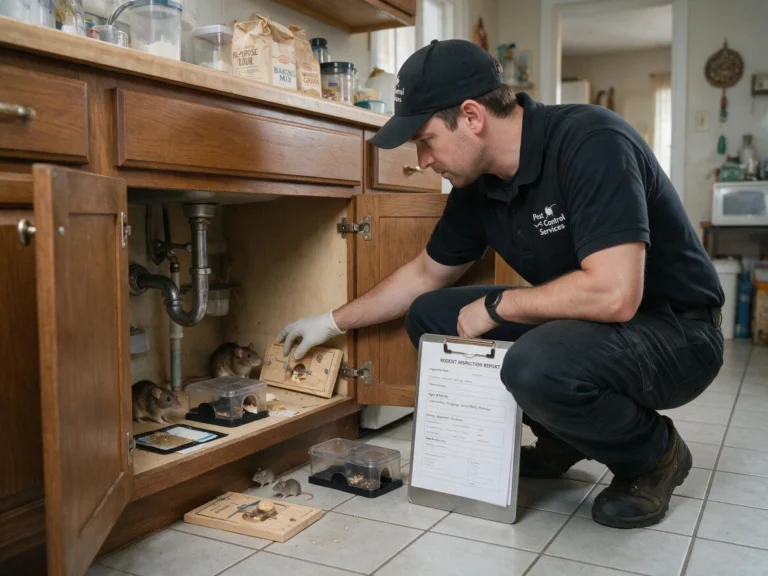
See rodent exclusion, rodent inspection, and deer mice.
Frequently Asked Questions
Is hantavirus common in Washington?
No. Typically one to five cases are reported each year.
How long does hantavirus last in the environment?
It varies with temperature, humidity, and sunlight, so treat all droppings as infectious.
Can I get hantavirus from a dead mouse?
Exposure comes from contaminated dust, droppings, urine, and nests. Disinfect dead rodents and wear gloves.
Can dogs and cats get hantavirus?
They can be infected without symptoms but don’t spread it directly.
Is there person-to-person spread?
There’s no evidence of it.
Request an Inspection
Contact us for an inspection and an itemized quote before work begins. Rodent Defenders, 2615 W Casino Rd, Everett, WA 98204.
Rodent Defenders
2615 W Casino Rd, Everett, WA 98204